Enzyme Supplier for Rendering Plant Hydrolysis | Rendara
Rendara supplies bulk enzymes for rendering plant hydrolysis, helping plants control viscosity, separation behavior, protein breakdown, odor load, and process consistency.
Request pricing Rendara supplies bulk enzymes for rendering plant hydrolysis, helping plants control viscosity, separation behavior, protein breakdown, odor load, and process consistency.
Request pricingRendering plants run on heat, residence time, separation discipline, and uptime. When hydrolysis is inconsistent, the plant feels it fast: heavy viscosity, poor pumpability, unstable decanter behavior, variable meal quality, higher odor load, and more operator intervention.
Rendara supplies bulk enzyme solutions for rendering plant hydrolysis programs built around controlled protein breakdown, cleaner flow behavior, and practical integration into existing cookers, hydrolysis tanks, decanters, evaporators, and fat-water-solids separation lines.
If you need an enzyme supplier for rendering plant hydrolysis that understands plant-floor constraints, Rendara is built for that conversation.
Rendering feed streams are not gentle. Raw material variability, thermal history, fat load, particle size, pH movement, and residence time all affect hydrolysis performance. A workable enzyme program has to support production without creating fragile operating windows.
Rendara helps rendering facilities evaluate enzyme options for:
Every facility has its own layout, cook curve, tankage, and separation strategy. Rendara supports enzyme selection based on where hydrolysis can deliver the most operational value.
For selected systems, enzyme addition after size reduction can begin protein modification before major thermal load. This can help reduce thick, uneven slurry behavior when the process has enough controlled hold time.
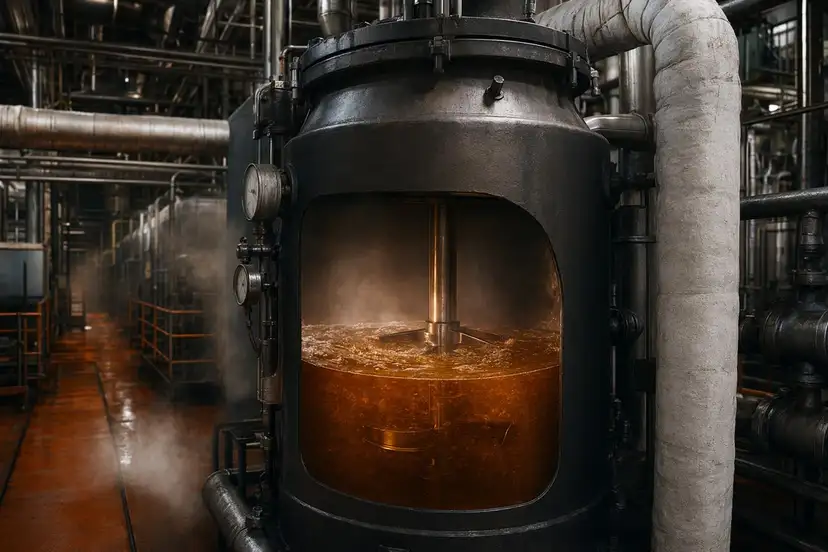
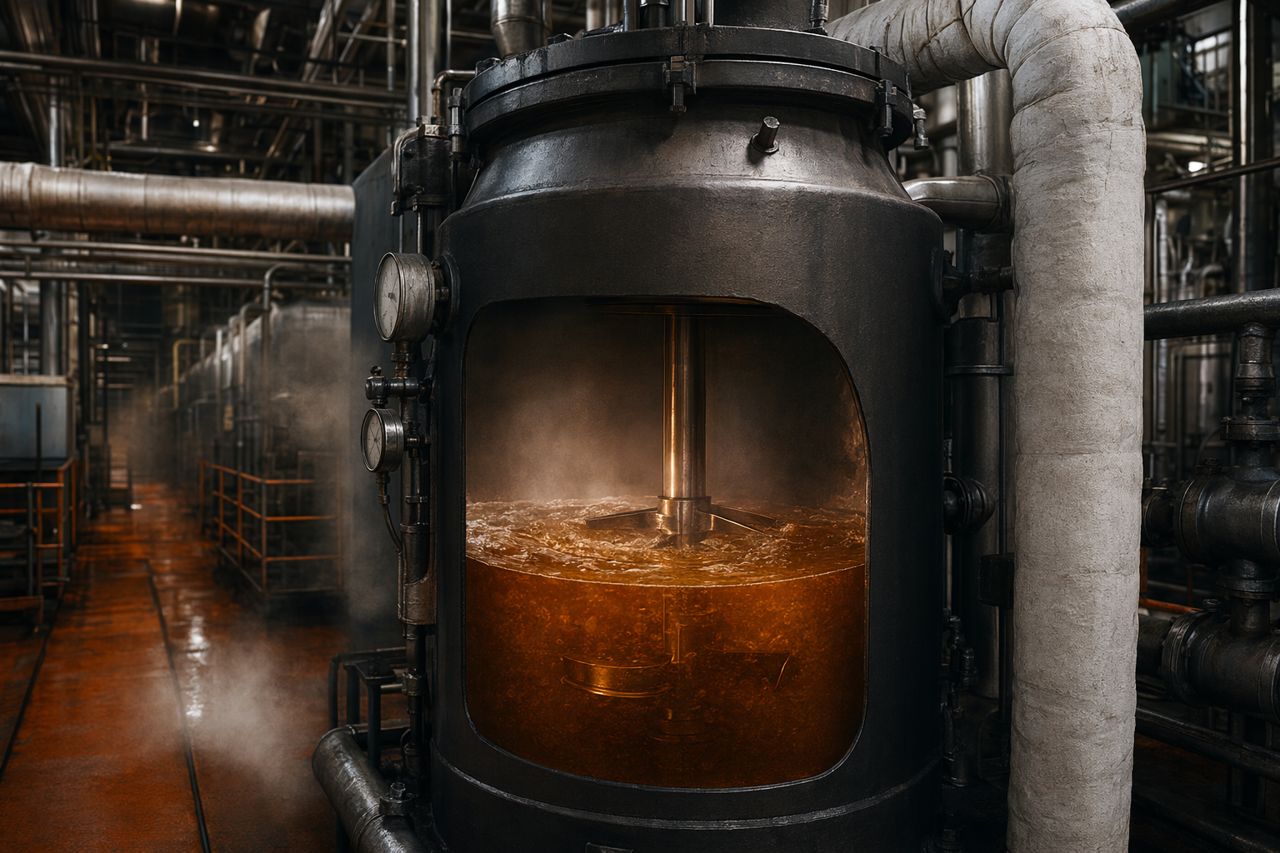
Dedicated hydrolysis tanks give plants a more defined window for contact time, mixing, and temperature management. This is often the most practical point for controlled viscosity reduction and consistent protein breakdown.
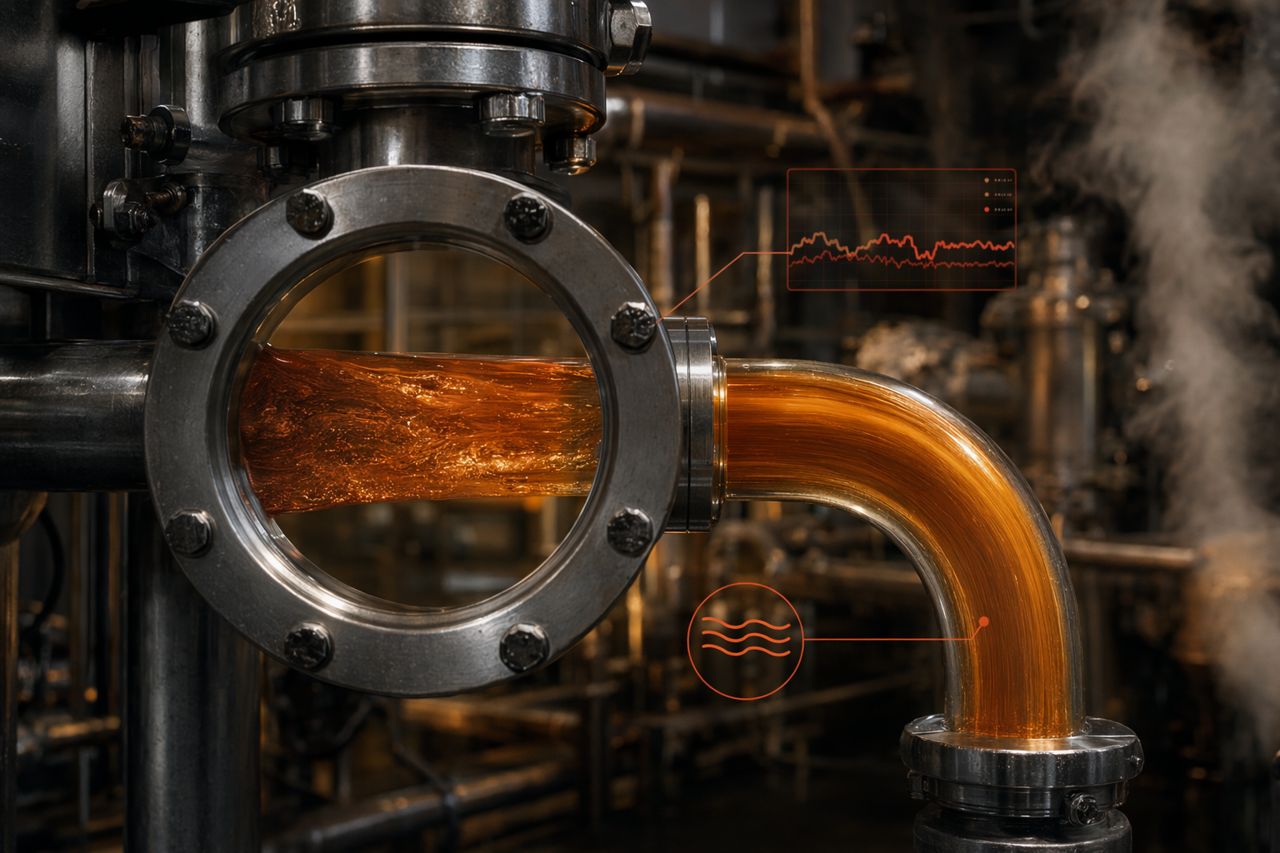
In some flows, enzymes are used on liquid protein streams to improve handling, concentration behavior, or downstream drying consistency. The goal is not just reaction completion. The goal is a stream that moves, separates, and finishes more predictably.
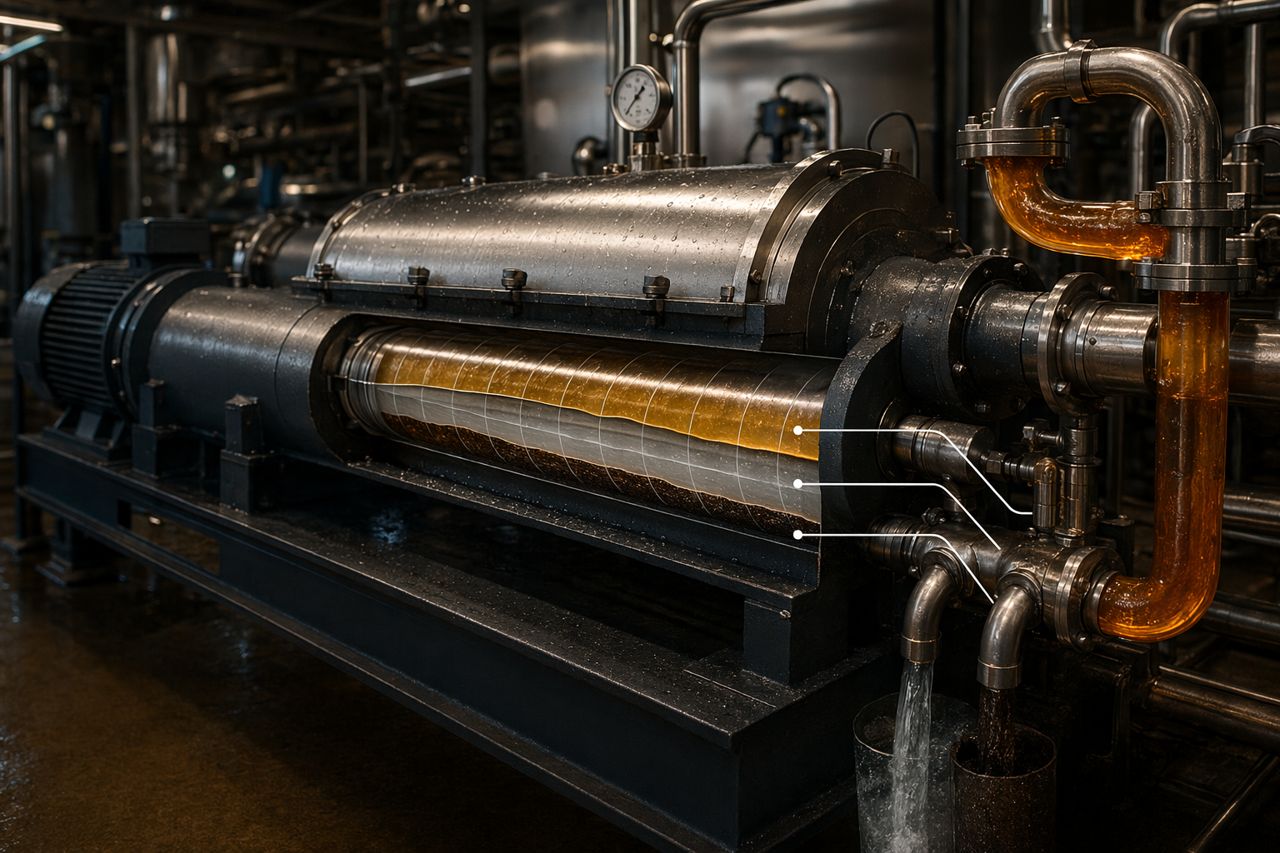
When feed viscosity is high or solids behavior is unstable, separation equipment can lose efficiency. Enzyme-supported hydrolysis may help create a cleaner feed profile for mechanical separation, depending on raw material, process temperature, and residence time.
Rendara focuses on measurable plant outcomes, not lab language. The enzyme is only useful if it helps the line run cleaner.
| Plant challenge | What an enzyme program can support |
|---|---|
| Thick protein slurry | Lower viscosity and improved transfer behavior |
| Variable hydrolysate | More controlled protein breakdown across batches |
| Separation instability | Cleaner fat-water-solids behavior under defined conditions |
| Dryer inconsistency | More uniform feed characteristics before drying |
| Odor load pressure | Better control of protein breakdown windows and hold conditions |
| Raw material variation | More flexible process response without constant mechanical changes |
| Operator intervention | Fewer manual corrections when conditions are controlled |
Rendara supplies enzyme solutions selected for industrial rendering workflows, including protease-based systems and supporting enzyme blends where the substrate profile calls for broader action.
Typical evaluation areas include:
We do not force a generic enzyme into every rendering plant. The goal is to match the enzyme system to your actual line conditions and commercial target.
You can discuss viscosity, tank residence time, pump load, cooker constraints, decanter feed stability, odor load, and yield recovery without translating your operation into abstract lab terms.
Rendara supports practical plant evaluations, from initial technical review to bulk supply planning. Packaging and delivery are aligned with industrial handling, not bench-scale curiosity.
Enzyme choice depends on where the plant has usable temperature, mixing, and hold time. Rendara helps narrow the options before trial material reaches your floor.
Rendering plants need specification review, volume planning, lead time visibility, and commercial terms. Use the on-site quote form to start a purchasing conversation with the Rendara team.
Rendara recommends a controlled, operations-led trial path:
Enzyme value in a rendering plant has to show up in the operation. Rendara frames enzyme selection around outcomes that matter to plant leadership:
Tell us what stream you want to improve, where the enzyme would enter the process, and what plant outcome matters most. Rendara will review the operating context and respond with a quote path for suitable bulk enzyme supply.
Rendara supplies enzymes for rendering operations that need controlled hydrolysis, cleaner handling, and production-ready support.
Tell us your application and volume — we reply with pricing and lead time.