Rendering Wastewater Load: Where Proteins, Fats and Solids Enter the System
In an animal rendering plant, wastewater load is not one problem. It is a moving mix of soluble protein, emulsified fat, suspended solids, heat, dissolved organics, and washdown variability. The load starts upstream, changes under thermal pressure, and arrives at wastewater treatment after multiple chances to become harder to separate.
For plant managers, the issue is practical: every kilogram of protein, fat, and fine solids lost to drain is material that did not stay in the value stream. It also becomes hydraulic and biological pressure downstream.
Rendara works with rendering operations that need controlled hydrolysis performance without adding instability to throughput, separation, or cleaning routines. As an enzyme supplier for rendering plant hydrolysis, Rendara focuses on process fit: viscosity control, cleaner phase release, yield recovery, odor-load reduction, and more predictable wastewater behavior.
The wastewater system receives what the process fails to hold
Rendering wastewater load usually builds from several plant zones, not one discharge point.
Common contributors include:
- Raw material receiving and floor drainage
- Grinder and conveyor washdown
- Cooker condensate and vapor handling losses
- Hydrolysis tank overflow, foam, or poorly controlled dilution
- Decanter and centrifuge losses
- Stickwater, bloodwater, and protein-rich side streams
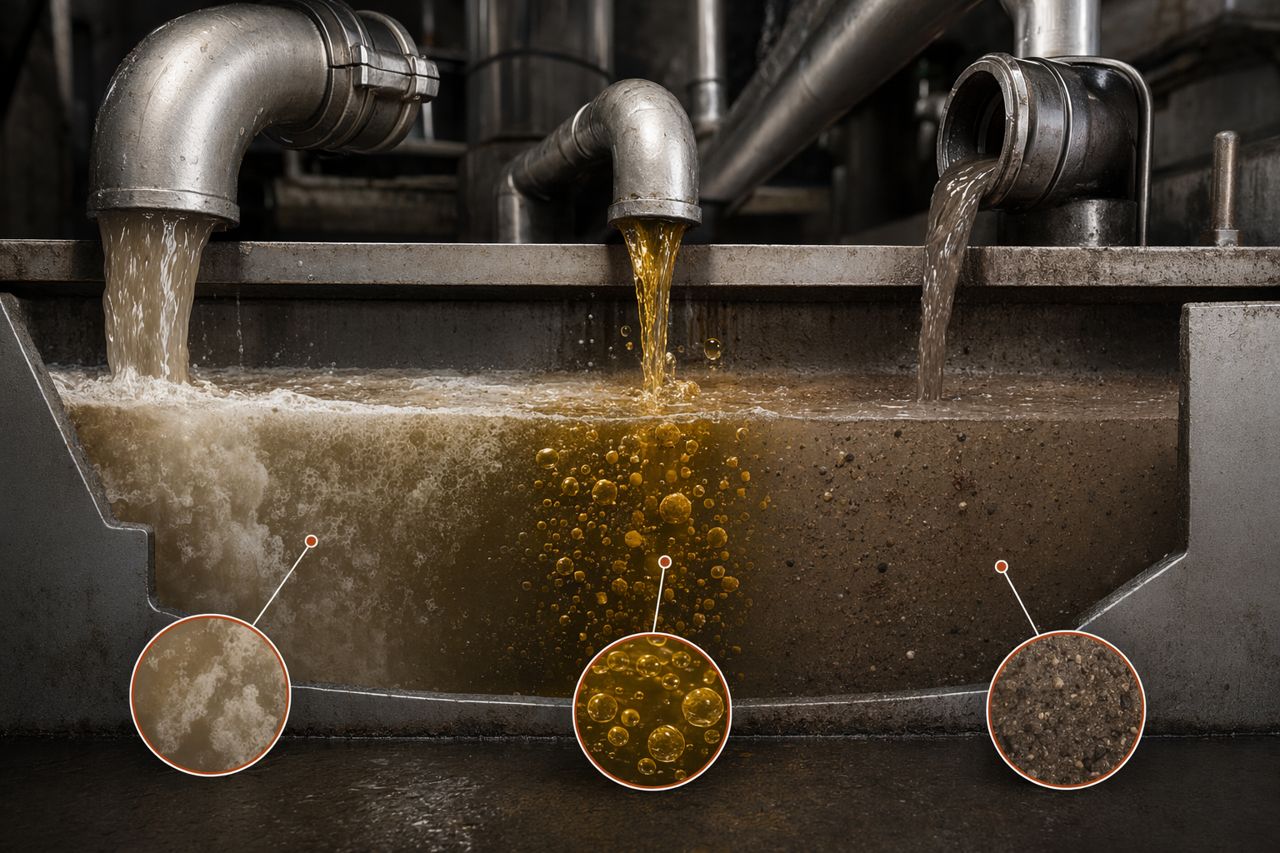
- Fat-water-solids separation inefficiency
- Cleaning cycles that mobilize settled grease and fines
The wastewater plant sees the combined result. Upstream, operators may see it as viscosity drift, weak separation, sticky fines, high odor load, or inconsistent fat recovery. Downstream, it shows up as load swings, grease accumulation, foaming, sludge volume, and treatment instability.
Proteins: soluble load that moves fast
Proteins enter wastewater when raw material liquids, blood fractions, stickwater, and hydrolyzed protein liquor escape controlled recovery.
The challenge is that protein can move in two forms:
- Suspended protein solids that can often be screened, settled, or separated if particle behavior is stable.
- Soluble protein and peptide fractions that pass through primary separation and increase downstream organic load.
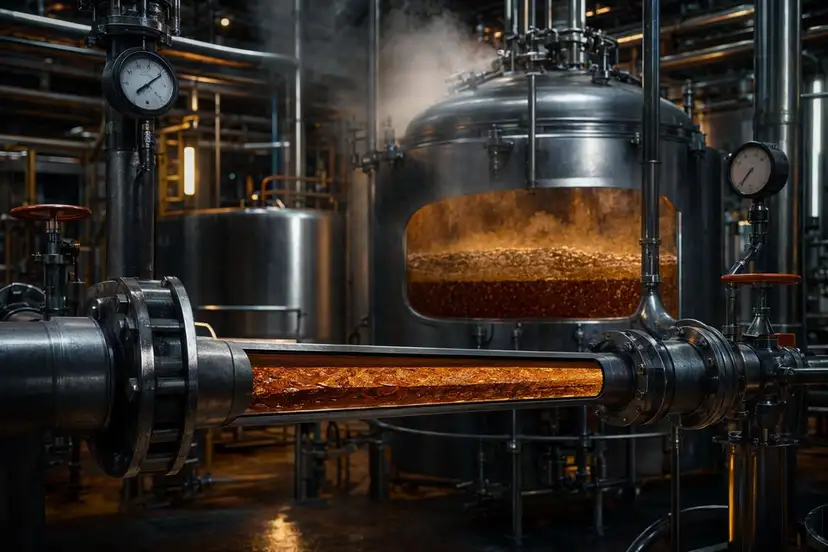
In hydrolysis, the target is not simply breaking protein down. The target is controlled conversion that improves handling and recovery without pushing too much valuable material into the wastewater stream.
When hydrolysis is poorly matched to the process, plants may see:
- Liquor that becomes too thin too early
- Fine particles that resist clean separation
- Protein carryover into centrate or wastewater
- Higher odor intensity from uncontrolled breakdown
- Variability between raw material batches
The right enzyme approach supports a narrower operating window: enough hydrolysis to reduce viscosity and release value, not so much that recoverable protein becomes a wastewater liability.
Fats: value stream first, wastewater problem second
Fat belongs in recovery, not in drains, sumps, or treatment basins.
In rendering wastewater, fat typically appears as:
- Free fat that can separate under the right conditions
- Emulsified fat stabilized by protein, fines, heat, shear, or cleaning chemistry
- Grease bound into sludge and screen solids
- Fat carried through by high-flow washdown events
When fat separation is unstable, plants lose value twice. First, recovered fat yield drops. Second, wastewater treatment becomes heavier, greasier, and more maintenance-intensive.
Enzymatic hydrolysis can support fat-water-solids release when it is positioned correctly in the process. The key is not to create more emulsion. The key is to reduce binding, manage viscosity, and support a cleaner break before separation equipment is overloaded.
Solids: fines are small, but the impact is large
Rendering solids do not need to be large to cause trouble. Fine bone, tissue particles, hair, coagulated protein, and heat-set residues can carry protein and fat into wastewater even when screens and separators are working.
Solids load often increases when:
- Grinding is too aggressive for the separation system
- Cooked material becomes sticky or smeared
- Hydrolysis produces unstable fines
- Decanters are pushed beyond their stable operating range
- Washdown moves settled material all at once
Fine solids also create a false sense of removal. A screen may capture visible material while smaller protein-fat fines keep moving forward. Those fines can raise sludge production, increase cleaning demand, and carry odor through the system.
Where load enters the system
1. Receiving and raw handling
Raw material variability sets the starting point. Blood, purge, gut content, and high-moisture material can introduce immediate load before cooking or hydrolysis begins.
Operational focus:
- Keep high-strength liquids directed to recovery where possible
- Avoid unnecessary dilution at receiving
- Reduce floor loss before it becomes washdown load
- Track which raw material profiles create wastewater spikes
2. Size reduction and transfer
Grinding and pumping change particle size and surface area. More surface area can help processing, but it can also make fats and proteins easier to disperse into water.
Operational focus:
- Match grind size to cooker, hydrolysis, and decanter capacity
- Avoid excessive shear where emulsions become persistent
- Keep transfer lines hot enough for flow but not so aggressive that separation suffers
3. Cooking and thermal treatment
Thermal load changes protein structure, fat release, viscosity, and odor formation. Overcooking can create sticky solids and difficult residues. Undercooking can leave separation incomplete.
Operational focus:
- Control residence time and temperature consistency
- Watch for viscosity drift in protein liquor
- Reduce foam and boilover that push load into drains
- Keep condensate and vapor-side losses under control
4. Hydrolysis
Hydrolysis is a high-leverage control point. It can improve pumpability, release bound value, and support separation. It can also create downstream load if the reaction runs outside the process window.
Operational focus:
- Select enzyme systems based on raw material and target stream
- Control contact time and mixing intensity
- Protect separation performance, not just viscosity reduction
- Monitor odor, phase clarity, and solids behavior as operating indicators
This is where Rendara is typically involved: matching enzyme strategy to the plant’s real equipment, throughput targets, and recovery priorities.
5. Decanter, centrifuge, and phase separation
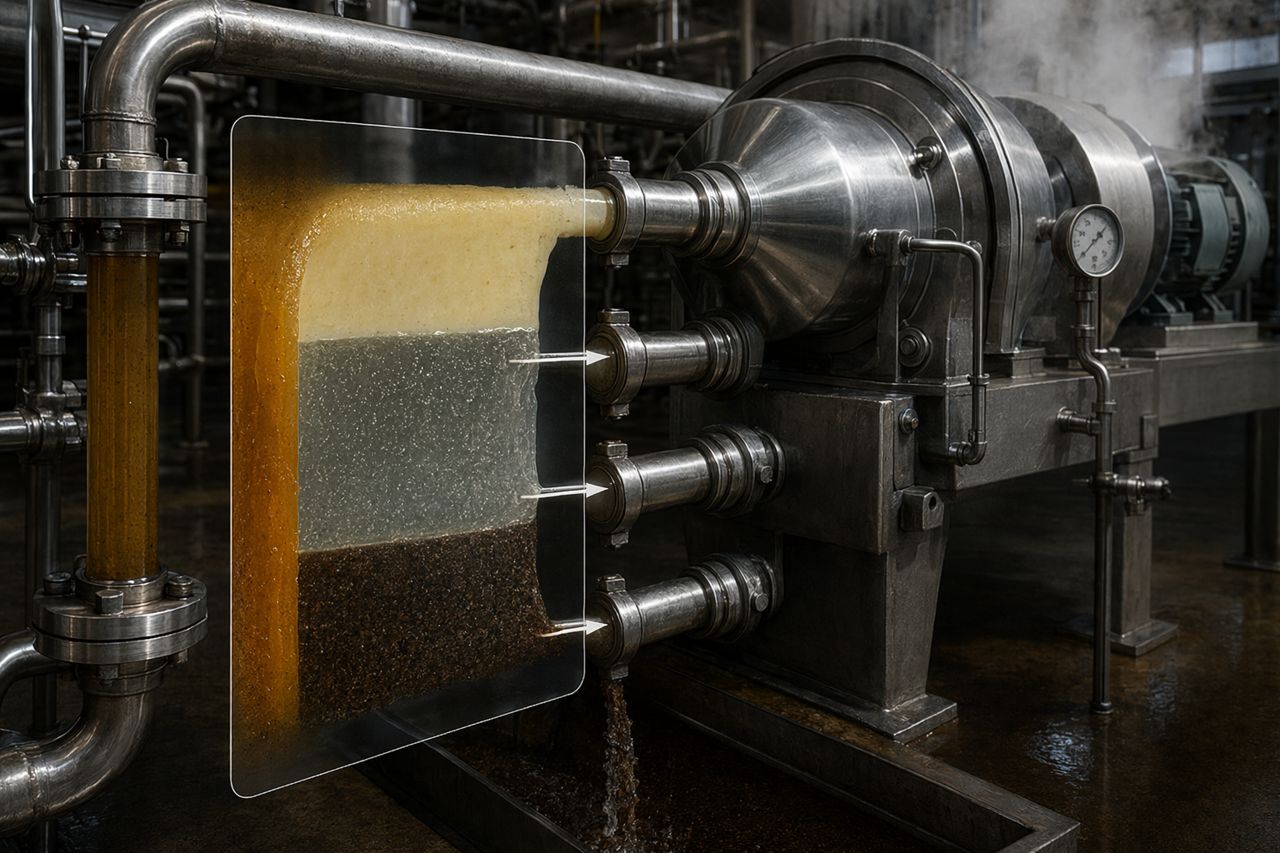
Most wastewater load problems become visible at separation. If fat, water, and solids do not break cleanly, losses move downstream quickly.
Operational focus:
- Stabilize feed viscosity into the separator
- Prevent protein-fat emulsions from carrying over
- Manage solids dryness without pushing fines into centrate
- Watch for changes after raw material or hydrolysis adjustments
6. Washdown and sanitation cycles
Washdown often converts accumulated process loss into sudden wastewater load. Hot water, pressure, detergents, and line flushing can mobilize fats and solids that were previously trapped in equipment or drains.
Operational focus:
- Separate high-strength first flush where possible
- Reduce product loss before cleaning begins
- Avoid sending avoidable fat and protein to treatment
- Align cleaning timing with wastewater system capacity
What controlled hydrolysis can change
A well-fit enzyme program is not a wastewater chemical patch. It is an upstream process lever.
In rendering hydrolysis, the business case is strongest when enzyme use supports:
- Lower viscosity for easier pumping and heat transfer
- More complete release of recoverable fat and protein fractions
- Cleaner separation between fat, water, and solids
- Reduced product loss to drains and centrate
- More consistent decanter feed behavior
- Lower odor load from uncontrolled degradation
- Less strain on screens, dissolved air flotation, sludge handling, and biological treatment
The goal is not to make the wastewater plant work harder. The goal is to stop avoidable load from reaching it.
Practical indicators to watch
Plants can often identify wastewater load drivers before lab data catches up.
Watch for:
- Protein liquor viscosity changing by shift or raw material source
- Fat layer instability after separation
- Greasy solids at screens or in sumps
- Odor spikes during holding, hydrolysis, or washdown
- Increased sludge volume after production changes
- Foaming in tanks or treatment steps
- Centrate or wastewater with persistent turbidity
- Separator settings that need constant correction
These indicators help define where enzyme control may improve the process and where mechanical or operating changes must happen first.
How Rendara approaches rendering wastewater load
Rendara starts with the plant reality: raw material mix, cooker profile, hydrolysis tank design, separation equipment, washdown practices, and the current pain point. The enzyme recommendation is built around the process objective, not a generic label.
Typical objectives include:
- Improving protein liquor handling before separation
- Supporting fat release without creating stable emulsion
- Reducing fine solids carryover
- Smoothing batch-to-batch hydrolysis behavior
- Protecting throughput while improving recovery
- Lowering downstream wastewater load by retaining value upstream
A rendering plant does not need theory. It needs a hydrolysis program that behaves under heat, time pressure, variable inputs, and real production schedules.
Request a quote for rendering hydrolysis support
If wastewater load is being driven by protein carryover, fat loss, unstable hydrolysis, or poor separation, Rendara can help evaluate the enzyme fit for your process.
Request a quote through the on-site form and include your raw material type, target stream, operating temperature range, residence time, and current separation challenge.